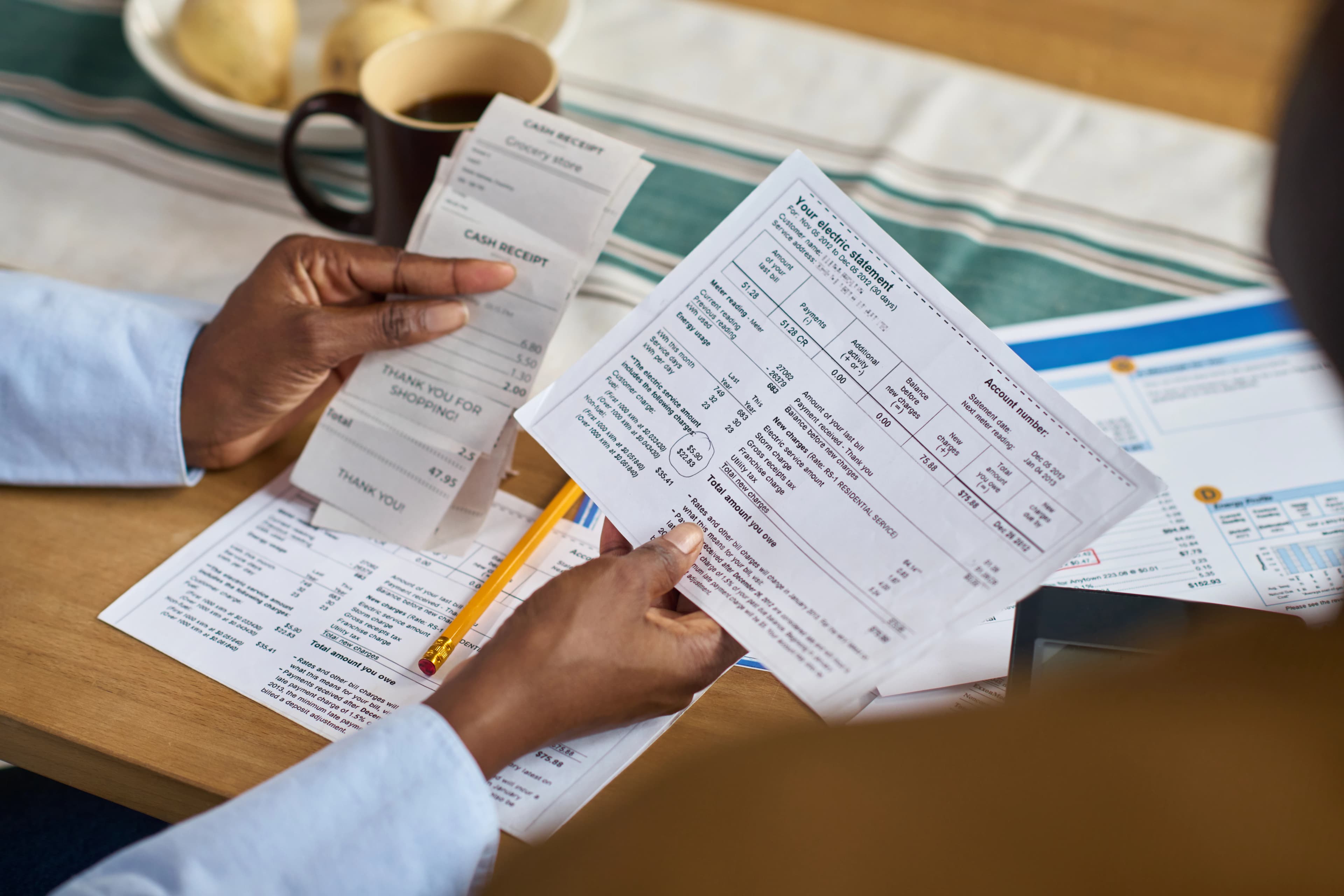
There is an invoice sitting in someone's accounting software right now that is fourteen days overdue. The client has not paid it. They have not said anything about it. They are not avoiding it deliberately, they simply forgot, or deprioritised it, or assumed someone else on their team was handling it.
On the service business side, the owner knows the invoice is overdue. They feel mildly uncomfortable about it. They draft a reminder in their head several times. They do not send it because it feels awkward, or because they do not want to strain the relationship, or because they are busy and keep meaning to get to it.
So the invoice sits. Days pass. The cash flow tightens slightly. The client forgets further. And the simple task of sending a polite reminder, something that would take two minutes and would almost certainly result in payment, does not happen.
This is one of the most common and most fixable cash flow problems in small service businesses. And it is almost entirely a systems problem, not a relationship problem.
Why Invoice Chasing Feels Awkward When It Shouldn't
The psychological barrier to chasing invoices is real but largely irrational. Most overdue invoices are not the result of clients deciding not to pay. They are the result of clients being busy, disorganised, or simply having deprioritised the payment in the absence of any prompt.
A professional, timely payment reminder is not a confrontation. It is a service. It helps the client fulfil an obligation they have already agreed to, at a moment when they would otherwise have forgotten. The businesses that have mastered invoice management treat payment chasing as a normal part of the billing process, not as an awkward exception that requires courage to execute.
The awkwardness comes primarily from the manual nature of the task. When a person has to compose a reminder email, they are personally initiating what can feel like a confrontation. When a system sends the reminder automatically, the social dynamics change. The client receives a professional reminder from the business's billing system. The relationship remains warm. The invoice gets paid.
This is one of the clearest cases where automation removes a human friction that was never useful in the first place.
The Real Cost of Late Invoices
Most business owners who have persistent invoice problems think of them as a minor irritant. The money will come eventually. The client relationship is fine. It is just a bit slow.
The actual cost of late invoices is higher than it appears, for several reasons.
- Cash flow timing. A service business that consistently collects payment thirty days late is effectively extending a thirty-day interest-free loan to every client, every month. When multiple invoices are outstanding simultaneously — which is common in agencies and consultancies with several active clients, the aggregate float can represent a significant portion of monthly revenue.
- Opportunity cost. Money that is owed but uncollected is money that is not available for payroll, tools, investment, or growth. Businesses that manage their receivables tightly have more operational flexibility than businesses that do not, even if their nominal revenue is identical.
- Collection drag. The longer an invoice goes unpaid, the harder it becomes to collect. An invoice that is three days overdue almost always gets paid with a single reminder. An invoice that is sixty days overdue has become a significantly more difficult conversation, sometimes requiring a formal collections process. The most effective time to chase is early, and most businesses chase too late.
- Relationship damage. Counterintuitively, not chasing late invoices can damage client relationships rather than protect them. When payment terms are consistently ignored without consequence, the implicit message is that the business does not take its own billing seriously. Some clients lose respect for service providers who allow invoices to lapse without follow-up. A professional, systematic reminder process signals that the business is well-run and expects its agreements to be honoured.
What a Good Invoice Follow-Up System Looks Like
The mechanics of a well-designed invoice follow-up system are straightforward. The system connects to the accounting software and monitors the status of every outstanding invoice. When an invoice passes its due date, the follow-up sequence begins.
Day 3: a polite, professional reminder. The tone is light, it assumes the payment has simply been overlooked. It includes the invoice number, the amount, the due date, and a direct payment link.
Day 7: a second reminder. The tone is slightly more direct, it notes that the invoice is now a week overdue and requests confirmation of payment timing.
Day 14: a final automated reminder before human escalation. The tone is firm but still professional, it states that the invoice will be escalated to a senior team member if payment is not received within forty-eight hours.
If payment is not received after the day 14 reminder, the system creates a task for a human team member to contact the client directly, with a full payment history attached.
At any point in this sequence, the moment payment is confirmed in the accounting software, the sequence stops automatically. The client does not receive a day-seven reminder for an invoice they paid on day five. The system is aware of what has happened and responds accordingly.
The Tone Problem (And How to Solve It)
The most common concern about automated invoice reminders is tone. A generic, poorly-written reminder email feels transactional and cold. Done badly, it can create the impression that the business treats clients like debtor numbers rather than relationships.
Done well, automated invoice reminders are indistinguishable from personal ones, except they are more consistent, more timely, and never fail to be sent.
The key is writing the reminder templates carefully, in the business's voice, and reviewing them as you would any client communication. The day-three reminder should feel like a friendly nudge from a well-organised colleague. The day-seven reminder should feel professional and clear without being hostile. The day-fourteen reminder should communicate urgency without damaging the relationship.
These templates are written once, refined over the first few months of use, and then run automatically from that point. The investment in getting the tone right is small. The return, in collected revenue and preserved relationships, is ongoing.
Who Needs This Most
Invoice follow-up automation is particularly valuable for businesses that operate on net payment terms: agencies, consultancies, law firms, freelancers, contractors, and anyone else who invoices clients after delivering work rather than collecting payment upfront.
If your business issues more than five invoices per month, has experienced cash flow tightness as a result of delayed payments, or finds that chasing invoices falls through the cracks during busy periods, this is one of the highest-return automations available. The setup is straightforward, the impact on cash flow is measurable within the first month, and the time savings compound with every billing cycle.
The invoice that nobody chased is not a relationship win. It is a cash flow loss that also happens to signal to the client that your billing process is not serious. Fixing it is easier than most business owners think, and the result is a business that gets paid reliably, without anyone having to feel awkward about asking.